Peeling

Peeling

Peeling is a cosmetology treatment that accelerates the skin’s natural renewal process by weakening the bonds between dead skin cells, allowing them to exfoliate layer by layer and reveal healthier, renewed skin. It is suitable when pigmentation after summer does not fade, the cheeks feel rough to the touch, and marks left by breakouts remain for months. You can book a peeling treatment at PIED-DE-POULE after a consultation, during which the cosmetologist selects the type of acid and its concentration.

Even Skin Tone

Dark spots become lighter with each treatment

Smooth Skin

Soft to the touch and matte without powder

Fewer Imperfections

Breakouts heal faster

Younger-Looking Skin

Fine lines become less visible

What Is Peeling?

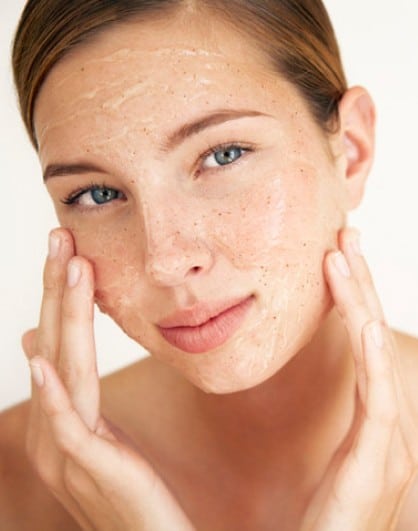
Peeling is controlled exfoliation: the cosmetologist applies an acid or enzyme that loosens the bonds between dead cells, allowing the epidermis to exfoliate layer by layer. The epidermis naturally renews itself approximately every 28 days, but after the age of thirty this cycle becomes longer and dead cells accumulate on the surface. An at-home scrub removes only what lies on the surface — professional peeling works deeper, while the cosmetologist controls how deeply it acts.

The effect is stronger when the pores are clear beforehand, which is why facial cleansing often precedes the first session of the treatment course.

Types of Peeling

It all comes down to one thing: how deeply the product works.

Enzyme peeling works at the most superficial level — enzymes from papaya and pineapple break down only dead proteins in the epidermis without affecting living cells, so there is no burning or redness. It is the most common first step for people who have not previously used acids.

Acid peeling works deeper. Almond Facial Peel, glycolic, salicylic or azelaic acid — selected according to the skin concern, not current trends. Acids target pigmentation, acne scars and enlarged pores, and the treatment finishes with neutralisation of the product.

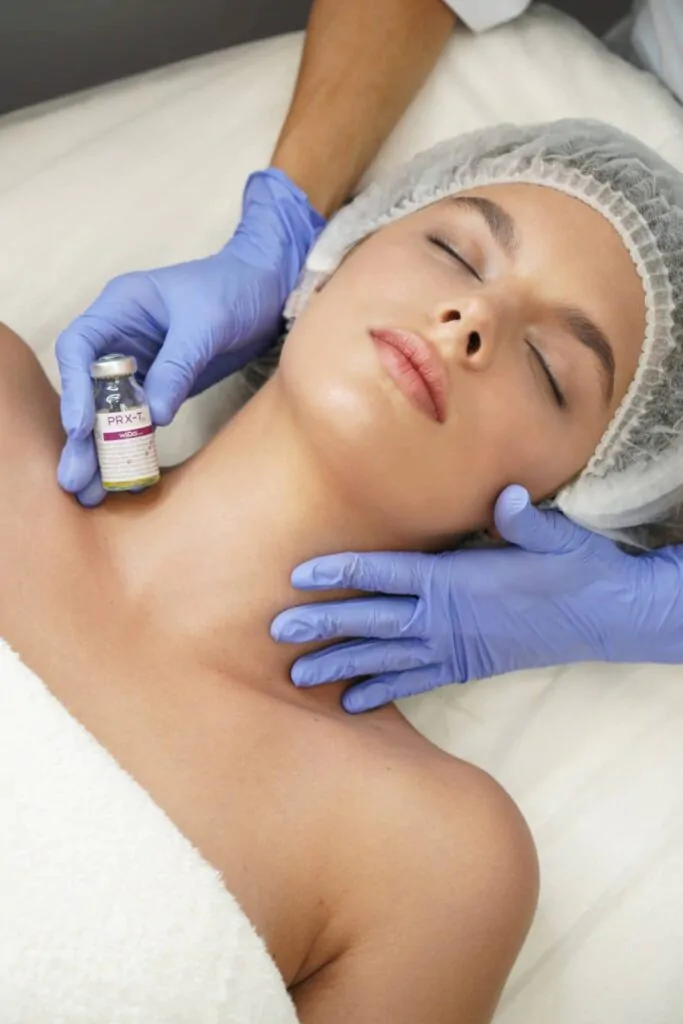
Retinol and combination formulas work at the deepest level: they reach the dermis and require several days of peeling, but provide the strongest effect — smoother wrinkles, tighter-looking pores and a more even skin tone. PRX-T33 stands apart, as it regenerates the skin at a deeper level without damaging the surface — without visible peeling or several days of flaking skin.

Indications for Peeling

The cosmetologist may recommend peeling when:

  • the epidermis is thickened and rough, and cream spreads unevenly over it
  • there are spots on the face left by sun exposure, pregnancy or breakouts
  • pores on the nose and cheeks are enlarged and become clogged quickly
  • acne scars have changed the skin’s texture
  • the first wrinkles have appeared and the skin has lost density
  • the skin looks dull after years of sun exposure

Which Peeling Should You Choose?

For acne-prone skin, the cosmetologist uses salicylic acid when there are inflammatory lesions, or azelaic acid when the skin reacts to almost everything with redness. Peeling for oily skin is based on the same salicylic acid, but planned as a treatment course.

Peeling for sensitive skin starts with enzymes or mandelic acid at a low concentration — they are less likely to trigger a reaction. For pigmentation after pregnancy and summer, a chemical peel based on glycolic acid is used, but only during the autumn and winter season. Acne scars and enlarged pores require combination formulas and targeted treatment, while peeling for men involves anti-inflammatory acids because the main concern is usually ingrown hairs after shaving.

The cosmetologist determines the concentration during the consultation after checking the thickness of the epidermis and how the skin reacted to products used previously.

What Does Peeling Do? Results and Their Progression

On the day of the treatment, the skin feels firm, looks slightly pink and is noticeably softer to the touch. Over the following days, processes that are not immediately visible take place: with acids and retinol, the epidermis begins to peel, while with enzymes it does not peel at all. By the end of the week, a new layer is already at the surface — the complexion looks more even and brighter than before the appointment.

The remaining results build over the course of treatments. Pigmentation gradually fades, acne scars become shallower, and pores appear tighter with each subsequent treatment. After the full course, the skin has a denser structure and the more even tone lasts for months.

Facial massage works separately on firmness and facial contours and fits well into the intervals between treatments.

How Often Should You Have Peeling?

Enzyme peeling allows for shorter intervals than acid peeling, while retinol peeling requires the longest break — the deeper the product works, the more time the epidermis needs to recover. The cosmetologist determines the exact interval and length of the treatment course during the first appointment.

Peeling Contraindications

We do not perform the treatment in cases of:

  • active inflammation or allergic skin reactions
  • active herpes
  • fresh wounds or scratches on the face
  • a tendency to develop keloid scars
  • pregnancy
  • intolerance to any ingredients in the product

Some acids are postponed until the autumn and winter season — after summer sun exposure, the risk of pigmentation increases.
Read More

Peeling Step by Step

01
Consultation and Epidermis Assessment

The cosmetologist checks the thickness of the epidermis and the activity of inflammatory lesions and asks about retinoids, photosensitising medications, pregnancy and previous reactions to acids. This determines the choice of substance and its concentration.

02
Makeup Removal and Skin Degreasing

The cosmetologist removes makeup and degreases the skin. Any remaining sebum or cream would alter the way the product penetrates the epidermis.

03
Product Application and Timing

The cosmetologist applies the product with a brush, section by section, while continuously monitoring the skin’s reaction. You may feel warmth or tingling — this is normal with acids.

04
Stopping the Product’s Action

The cosmetologist neutralises the acid or removes the product, depending on the type of peeling selected. From this point, the substance stops working.

05
Soothing Mask and Protection

A mask helps reduce redness and replenish hydration, followed by a high-SPF cream. The face is then ready for you to leave the salon.

06
Home Care Recommendations and Treatment Plan

The cosmetologist explains what to avoid over the following week and selects a regenerating cream for the peeling period. The date of the next treatment is also scheduled.

Time to preen my feathers

Book an appointment

How Peeling Works

  • EPIDERMIS WITHOUT THE DEAD CELL LAYER

    The product weakens the bonds between keratinised cells, allowing them to exfoliate evenly and leaving smoother skin underneath, so cream spreads easily over the surface.

  • UNCLOGGED PORES

    The acid dissolves the keratin and sebum plug at the opening of the sebaceous gland, helping prevent blackheads from forming again and allowing breakouts to clear more quickly.

  • NEW COLLAGEN

    Controlled irritation stimulates fibroblast activity, so after the course the skin becomes denser and firmer.

  • LIGHTER PIGMENTATION

    Exfoliation removes cells containing excess pigment, reducing the contrast between sun spots or post-breakout marks and the surrounding skin.

FAQ

  • How Is Professional Peeling Different from a Store-Bought Scrub?

    A scrub uses particles to remove what lies on the surface. A professional product works deeper and requires neutralisation and supervision — which is why professional concentrations are used in the salon.

  • How Often Should You Have Peeling?

    Enzyme peeling allows for shorter intervals, acid peeling requires a longer break, and retinol peeling requires the longest. The cosmetologist determines the exact interval after assessing the skin.

  • Is the Face Red After a Chemical Peel?

    After acids and retinol — yes, for several hours to a day, after which peeling begins. After an enzyme peel, facial redness does not occur at all.

  • Which Peeling Is Suitable for Acne-Prone Skin?

    Salicylic acid for inflammatory lesions and blackheads, and azelaic acid for skin that reacts to almost everything with redness. The cosmetologist chooses between them after assessing the skin.

  • Which Peeling Is Suitable for Men’s Skin?

    Acids with anti-inflammatory properties, because ingrown hairs and irritation after shaving are usually the main concerns for men. The treatment is scheduled for the day after shaving, not on the same day.

  • Which Cream Should You Use After Peeling?

    A gentle, regenerating cream without acids or retinol, together with a high SPF throughout the peeling period. The cosmetologist selects the specific product according to the type of treatment performed.

  • How Much Does Peeling Cost at PIED-DE-POULE?

    The price depends on the type of product and the number of treatments in the course. The administrator will provide the current price when you book your first appointment.

More:
Book Now